Gym Towel SystemRecovery.
A gym towel system recovery project that addressed recurring quality failures, staff workload, contract risk, and unnecessary operating costs before transitioning the facility from an inherited vendor agreement to a controlled in-house towel system.
Recovering control from an inherited towel service contract after recurring quality failures turned a paid vendor service into an operational burden.
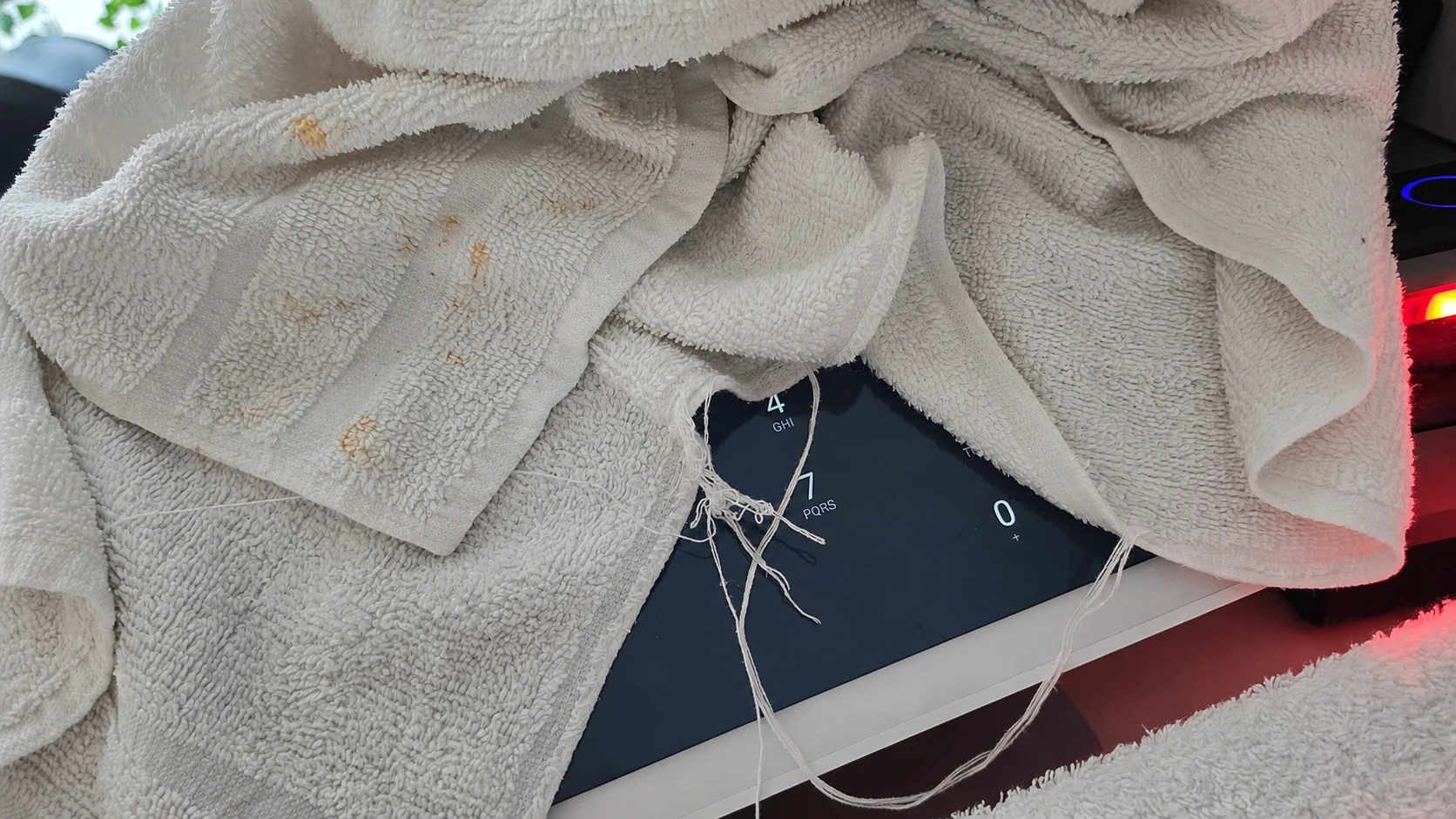
The gym inherited a long-term towel service agreement that was intended to provide clean, client-ready towels. Instead, deliveries increasingly included stained, worn, damaged, and unsuitable items, forcing staff to inspect and sort supposedly clean towels before placing them into service.
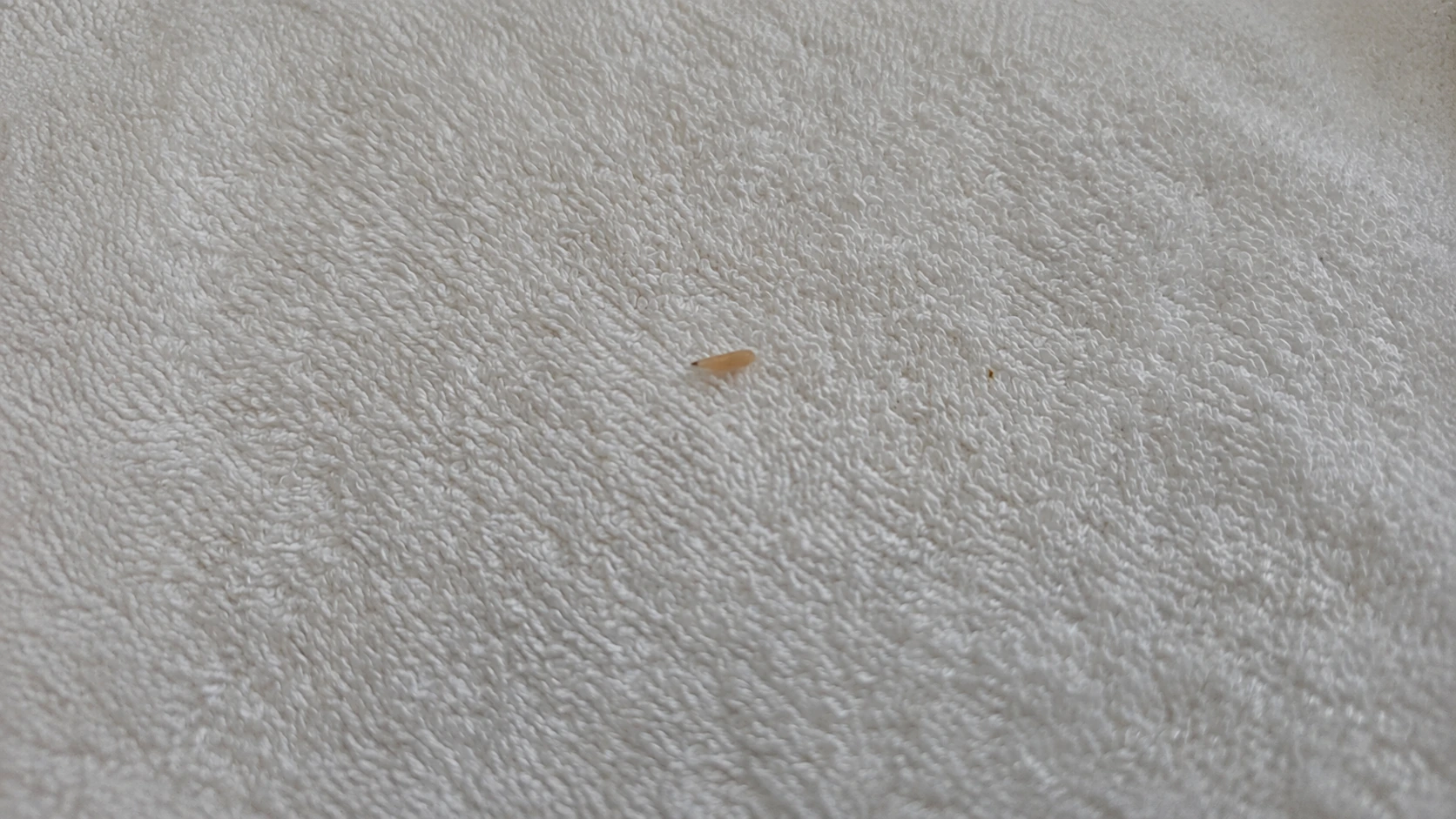
The gym towel system recovery became urgent after a larva-like contaminant was discovered in one delivery. Because the vendor did not simply release the facility from the agreement, the transition required careful documentation, contract review, operational planning, and preparation of an in-house towel system while managing buyout pressure and the vendor’s claimed liquidated damages.
A paid towel service had become a quality-control problem, a staff workload problem, and a contract risk at the same time.
The service was expected to provide clean, client-ready towels, but delivery quality continued to decline. Stained, worn, damaged, and unsuitable items forced staff to unfold, inspect, and sort supposedly clean towels before placing them into use.
The situation became critical after a larva-like contaminant was discovered in one delivery. The issue could no longer be treated as a routine quality complaint, yet the vendor did not simply release the gym from the long-term agreement.
The contract added further complexity because it included buyout and liquidated damages provisions, while the Service Guaranty required the vendor to “correct or begin to correct” service issues rather than achieve an immediate and lasting resolution.
Deliveries repeatedly included stained, worn, damaged, and unsuitable towels that required manual inspection before they could be placed out for clients.
Employees had to check supposedly clean towels one by one, turning a paid vendor service into a recurring operational workload.
The phrase “correct or begin to correct” allowed limited actions or partial adjustments to be presented as progress even when reliable improvement had not been achieved.
The vendor relied on buyout and liquidated damages provisions, creating financial risk if the transition was not documented and managed carefully.
The towel issue was handled as a structured recovery project, not as a simple vendor complaint.
The work combined quality documentation, contract review, controlled communication, preparation of an in-house towel system, and a careful transition away from the vendor without paying the claimed termination amount.
Quality failures documented
Problem deliveries were tracked with photos, dates, visible defects, unusable towels, staff burden, and repeated issues that continued after vendor responses.
Contract risk reviewed
The long-term agreement, buyout language, liquidated damages provisions, notice requirements, and “correct or begin to correct” wording were reviewed before any exit steps were taken.
Independent towel system prepared
The gym moved toward its own towel inventory and laundry workflow so client service could continue without depending on unstable vendor deliveries.
Controlled exit completed
The vendor relationship was ended through a careful evidence-based process, vendor-owned items were returned, the account was closed, and the claimed termination amount was not paid.
From unreliable vendor deliveries to a controlled in-house towel system.
The gallery documents recurring quality failures, the contamination issue that made the service unacceptable, the evidence collected during the recovery process, and the independent inventory and laundry workflow prepared so the gym could transition away from the vendor without interrupting client service.
-
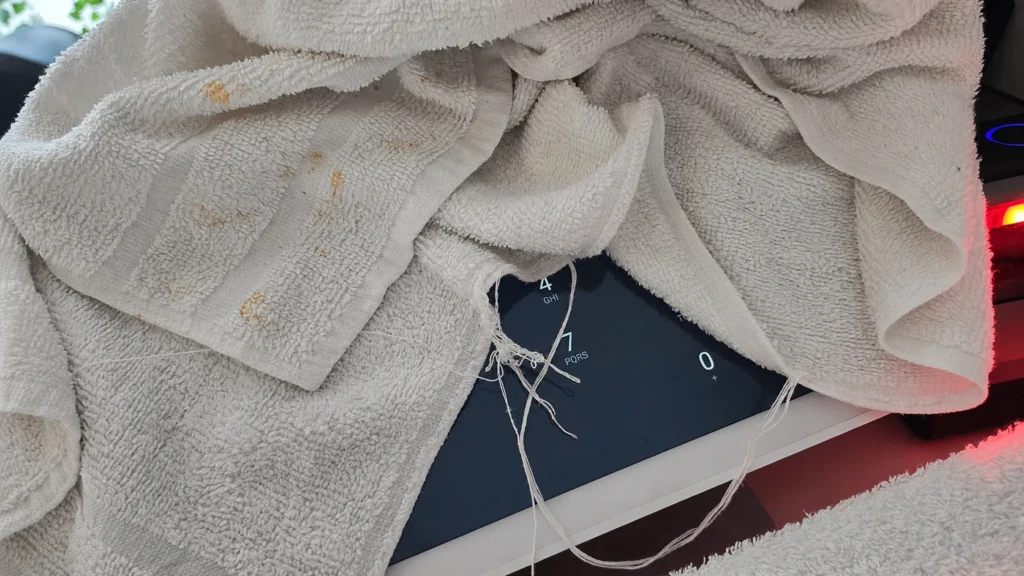
- Worn, stained, and damaged towels showing the poor condition of the previous towel service.
-
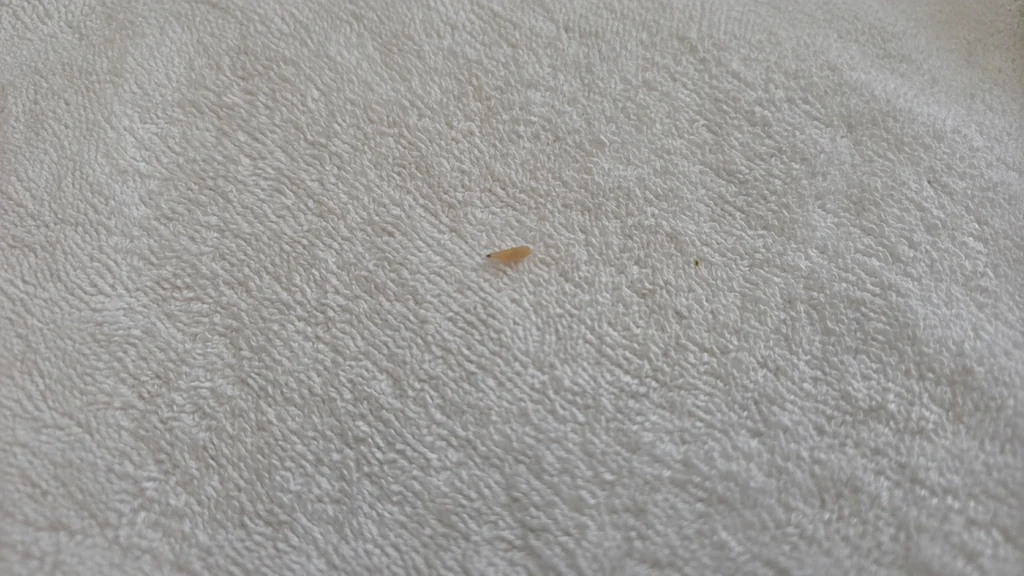
- Larva found on a towel, showing a serious quality control issue in the previous towel service.
-
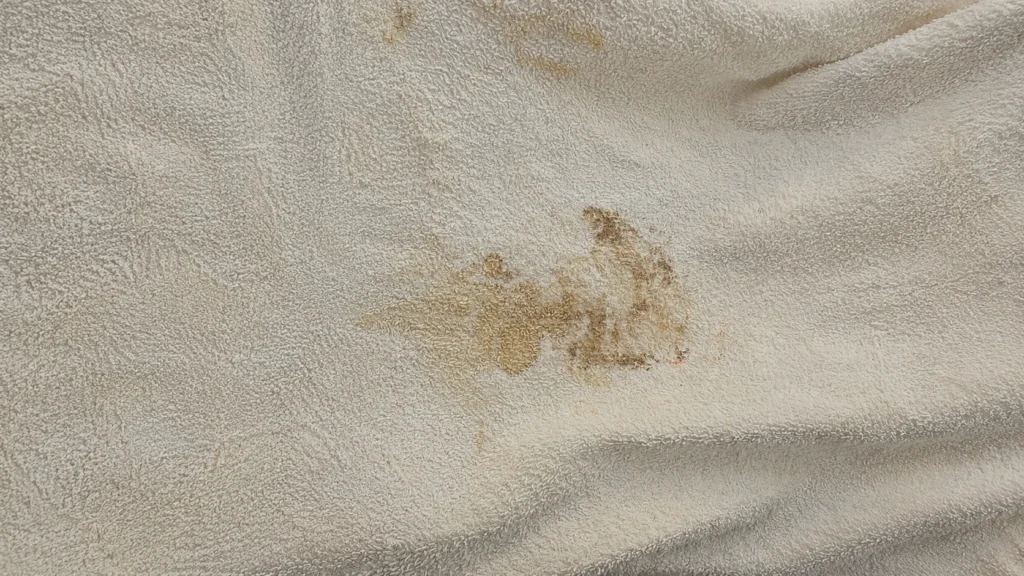
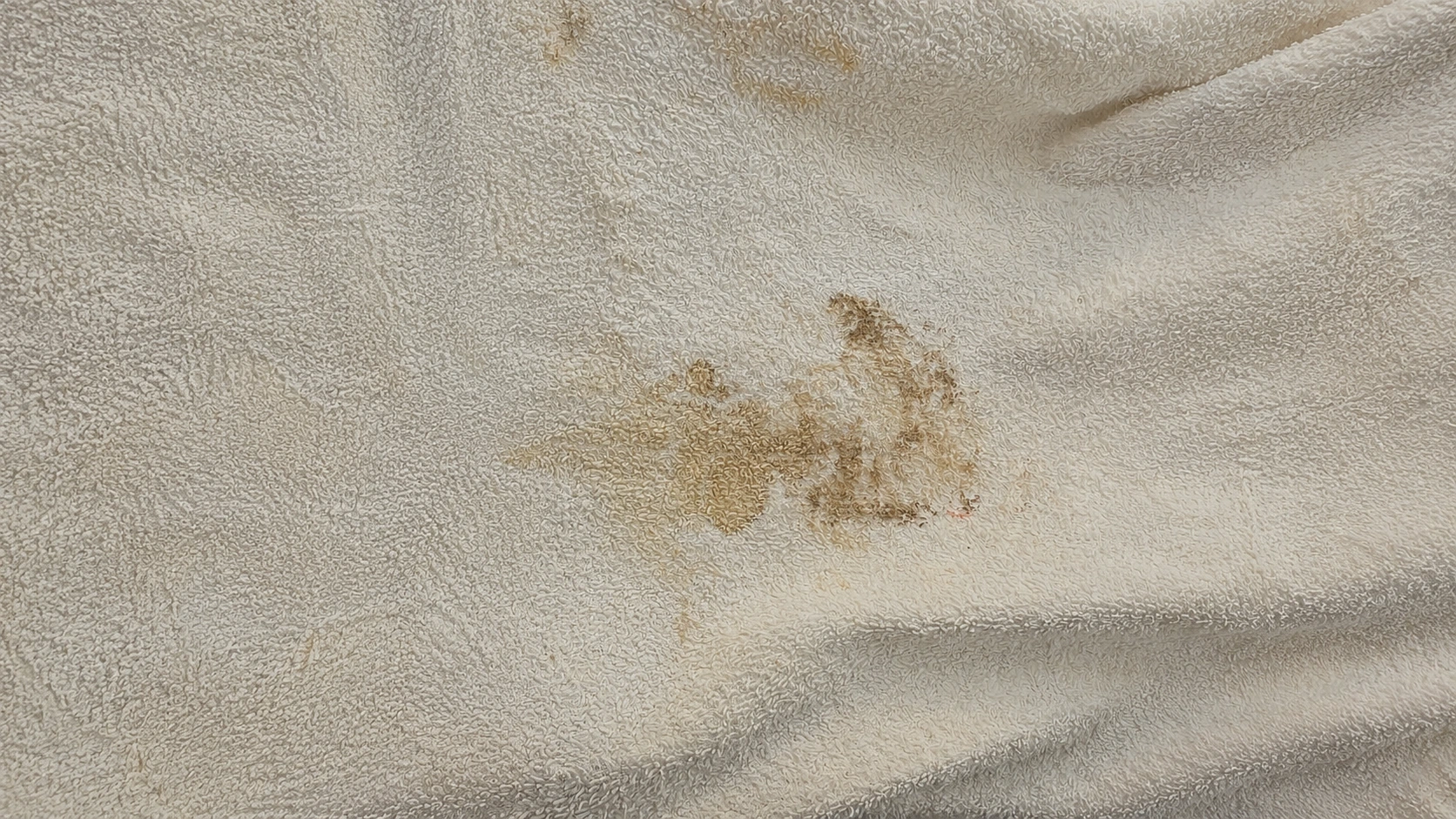
- Stained towel showing quality issues in the previous gym towel service.
-
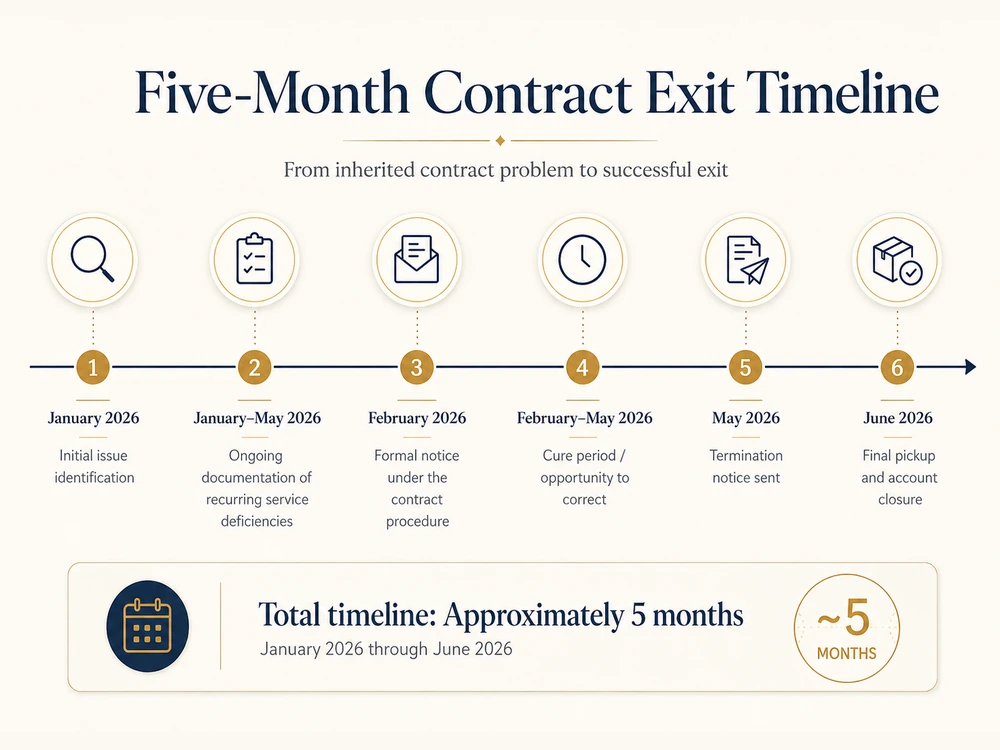
- Timeline showing the five-month process from initial issue identification to successful contract exit and account closure.
-
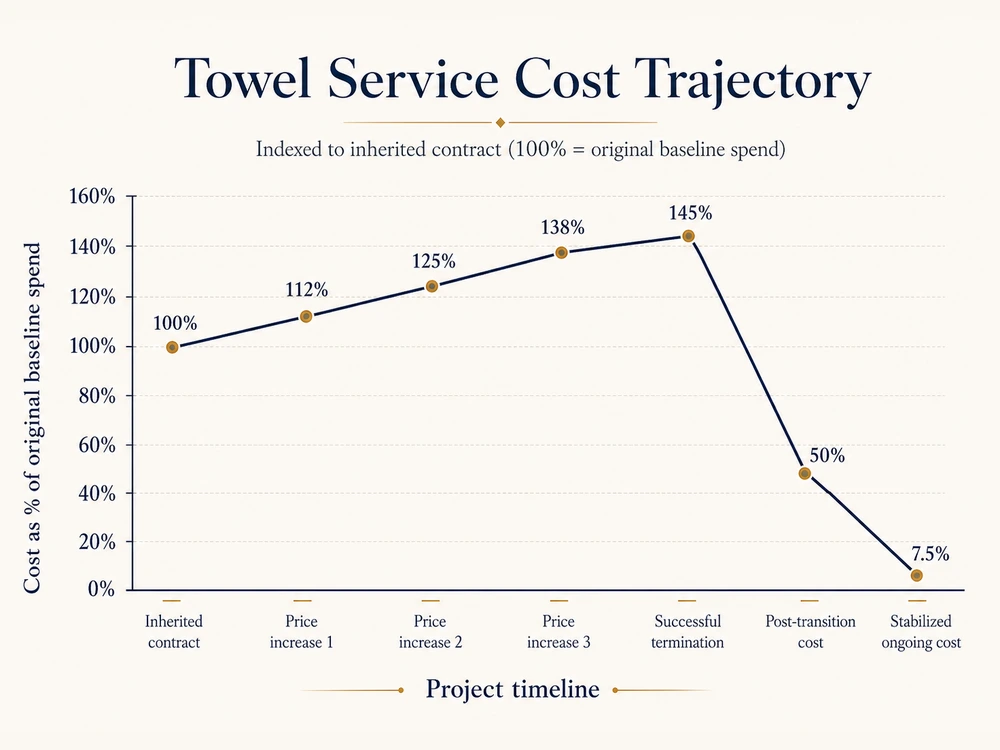
- Cost trajectory showing towel service expenses rising under the inherited contract before dropping after successful recovery and transition.
-
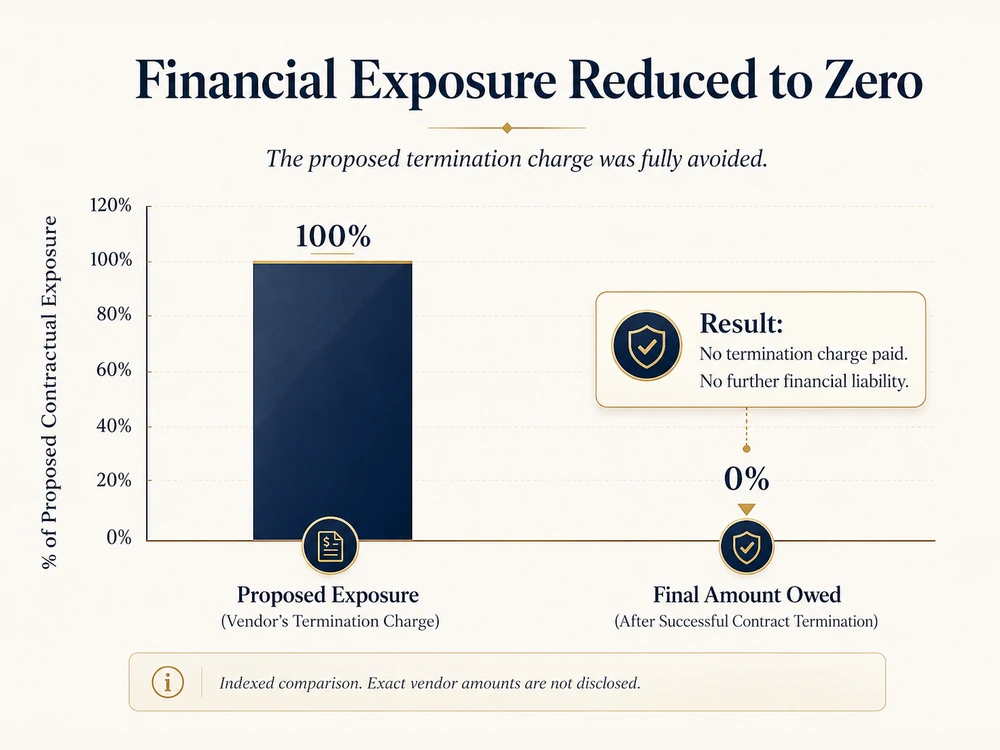
- Project result showing the proposed towel contract termination charge reduced from full exposure to zero.
The gym regained control over towel quality, staff workload, vendor dependency, and recurring operating costs.
By replacing the unreliable vendor service with a controlled in-house towel system, the gym reduced dependence on problematic deliveries, removed unnecessary inspection work, avoided the vendor’s claimed termination amount, and gained more consistent control over daily towel availability.
Consistent towel quality
The gym could establish and maintain its own quality standards instead of relying on deliveries that repeatedly included stained, worn, damaged, or unsuitable towels.
Reduced staff workload
Employees no longer had to inspect and sort supposedly clean towels one by one before making them available to clients.
Lower vendor and cost risk
The gym reduced ongoing towel-service expenses, eliminated dependence on an underperforming vendor, and completed the transition without paying the claimed termination amount.
Is a vendor contract creating operational risk for your gym?
A structured vendor contract recovery process can help you review inherited agreements, document recurring service failures, prepare replacement systems, manage transition risk, and protect daily operations before an underperforming contract becomes a long-term burden.
No pressure — the first conversation is simply to understand the current vendor service concerns, operational impact, and transition priorities and determine whether a focused operational review would be a practical next step.