Operational Leadership
Built Inside Real Gym Work.
I help gym owners and fitness facility operators bring structure, accountability, facility readiness, and practical execution to operations that have become difficult to oversee, maintain, or improve.
My work in gym operations was built on a broader background in business leadership, team management, and project execution.
My management career began in Moscow in 2004, building the leadership and operational foundation that would later shape Stegantsoff as a gym operations consulting practice.
In an earlier Director of Operations role, I led a team of more than 50 people while overseeing daily operations, strategic planning, service delivery, team standards, admissions, and programs for private and corporate clients.
I later managed technology and business transformation projects, coordinating stakeholders, improving cross-functional workflows, strengthening risk management, and helping complex initiatives move toward practical delivery.
When I entered gym operations in the United States, that experience allowed me to approach staffing, facility readiness, vendors, financial controls, training, and daily execution as connected parts of one operating system rather than as isolated responsibilities.
Regardless of the industry, the fundamentals of effective business operations remain the same: align people, clarify priorities, improve systems, manage risk, and turn complex work into consistent execution.
The gym did not need one isolated fix. It needed multiple operational priorities to work together as one connected system.
I entered an established facility where staffing, facility upkeep, vendors, member-facing standards, and ongoing projects were all competing for attention at the same time.
That situation was not the result of one person or one decision. Like many long-running businesses, the gym had systems created at different times, responsibilities that had evolved, and temporary solutions that had gradually become part of daily operations.
The work therefore had to begin with understanding what was already working, identifying where clearer structure would help, and introducing improvements in a way that respected ownership, supported the team, and protected the continuity of the business.
Facility Readiness Priorities
Maintenance, cleaning, equipment, locker rooms, showers, laundry, safety, and presentation all required practical sequencing so urgent needs and longer-term improvements could move forward together.
Evolving Responsibilities
As the operation developed over time, some responsibilities overlapped or depended on informal follow-up. Clearer ownership helped make expectations and next steps easier to understand.
Change Management
Operational improvement required communication, trust, and evidence that proposed changes were practical. Progress depended on bringing owners, employees, vendors, and specialists into a clearer process.
Daily Execution Pressure
Member needs, shift coverage, facility concerns, vendor issues, and urgent tasks could pull attention away from longer-term work unless priorities and follow-up were organized consistently.
Lasting improvement required a system that could establish priorities, clarify ownership, support delegation, and keep progress moving without disrupting the day-to-day operation.
Urgent work stabilized the facility. Systems made the progress repeatable.
I was willing to work directly inside the operation when immediate problems needed attention, but hands-on effort alone could not create lasting control. The gym also needed clear standards, assigned responsibilities, documented workflows, and a practical way to train and support the team.
As specialists and service providers confirmed that the proposed priorities and solutions were sound, I was given greater responsibility to coordinate decisions and move larger projects forward. That made it possible to replace isolated fixes with a more connected operating system.
SOPs and Staff Training
I created electronic operating procedures, opening and closing checklists, cleaning standards, front desk processes, customer service templates, and an internal learning system with more than ten training courses.
Accountability and Delegation
Responsibilities, expectations, follow-up, and evidence of completion became clearer, making it easier to delegate work without depending on constant reminders or micromanagement.
Facility Readiness
I organized priorities across cleaning recovery, equipment condition, locker rooms, showers, laundry operations, safety concerns, repairs, and specialist coordination so important work could move forward in a practical order.
Operational Controls
I helped strengthen payroll administration, employee documentation, vendor oversight, inventory control, retail systems, reporting, and other processes that affected cost, risk, and owner visibility.
The operation became less dependent on individual memory and emergency intervention. Clearer systems made it possible to move between priorities, distribute responsibility, and continue improving the facility without losing control of daily execution.
Experience across the areas that determine whether a fitness facility remains controlled, reliable, and ready for daily use.
My work has required me to move between immediate operational needs and longer-term systems across staffing, facility readiness, vendors, financial controls, training, retail, and the member experience.
Not every facility needs support in every area. The value comes from understanding how decisions in one part of the operation affect the others and organizing the work in a practical order.
Operational and Financial Control
I have worked across recurring expense review, payroll administration, insurance coordination, POS systems, inventory controls, reporting, and other processes that affect cost, risk, and owner visibility.
Staff Systems and Accountability
My work has included employee documentation, trainer credential review, role clarity, conduct and performance standards, front desk expectations, shift coverage, and daily follow-up.
SOPs, Training and Delegation
I created electronic SOPs, operational checklists, customer service templates, and an internal learning system with more than ten training courses to support clearer delegation and more consistent execution.
Facility Readiness and Recovery
I have organized priorities involving cleaning recovery, equipment condition, locker rooms, showers, laundry, lighting, safety, maintenance, repairs, and coordination with contractors and qualified specialists.
Vendor and Contract Oversight
I have reviewed service arrangements, questioned unsupported charges, coordinated vendor transitions, strengthened follow-up, and helped move the operation toward more practical and accountable service models.
Member Experience, Retail and Brand
My work has included retail systems, merchandise, locker rentals, payment workflows, customer service standards, website development, brand presentation, digital visibility, and third-party fitness platforms.
Examples of operational judgment translated into practical decisions, systems, and execution.
The projects below show different parts of my work: facility planning, financial and vendor oversight, and the development of repeatable staff systems.
Each project began with a different operational pressure, but the underlying process was similar: understand the situation, establish priorities, clarify ownership, and move the work toward implementation.
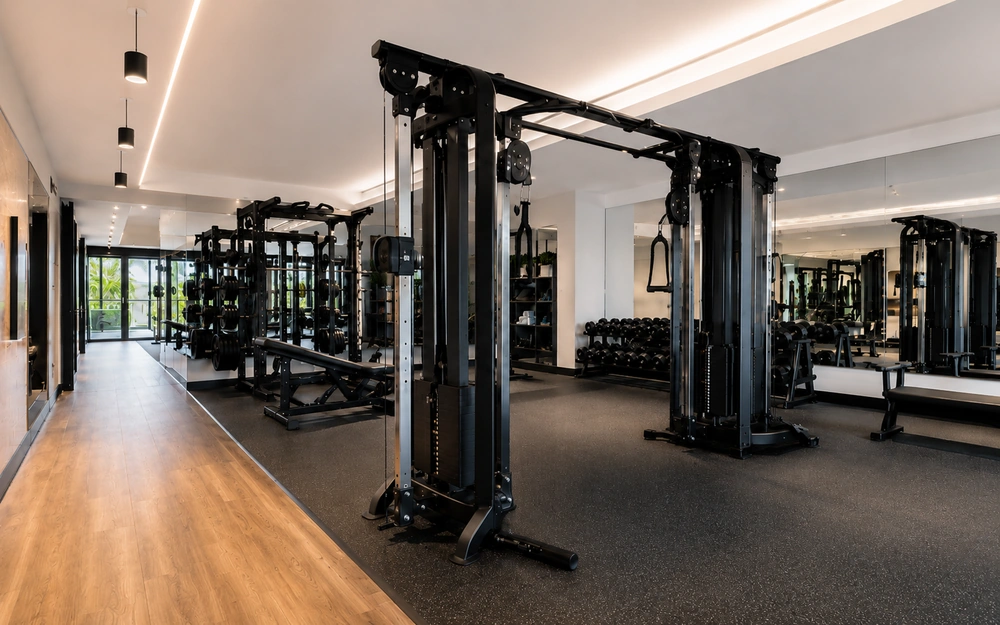
Gym Equipment Modernization
I helped organize equipment replacement priorities around member experience, maintenance pressure, commercial positioning, budget realities, and practical implementation.
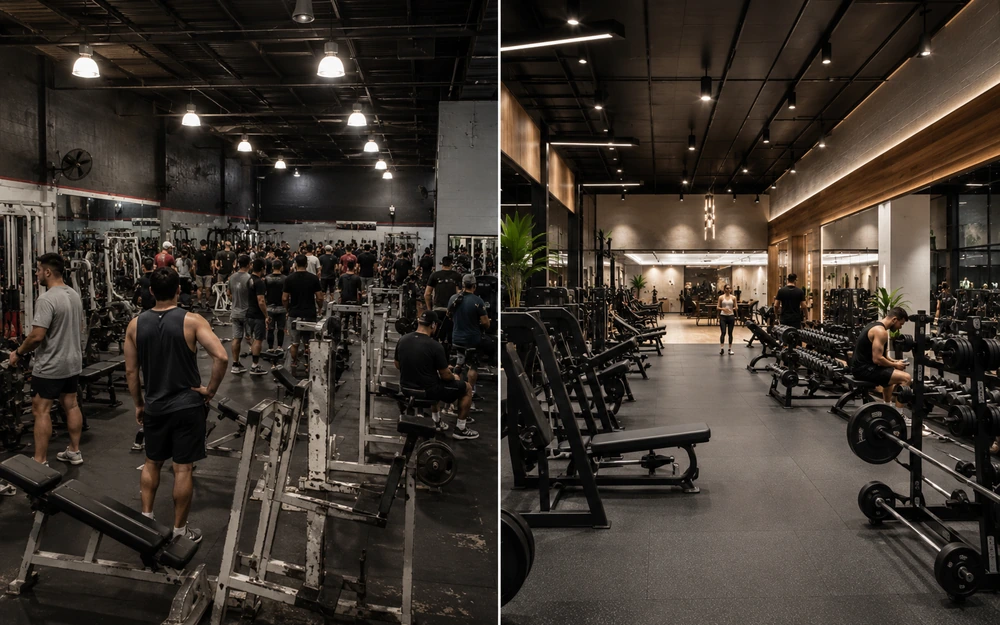
Revenue Leakage Audit
I reviewed access and reimbursement structures that increased facility use without proportional revenue and weakened visibility into pricing and financial performance.
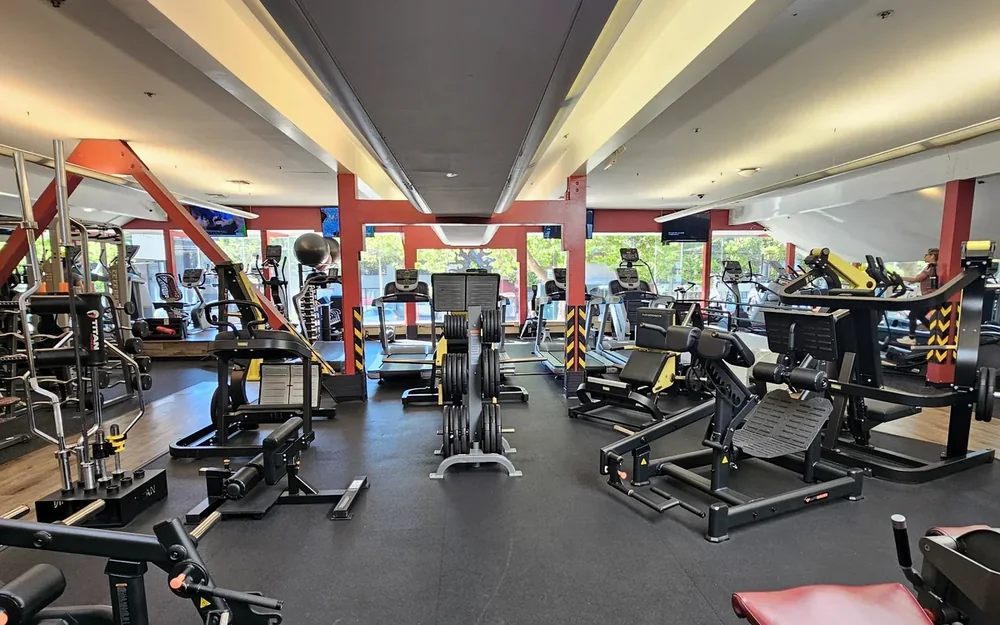
Gym Staff Training System
I built electronic SOPs, operational checklists, training materials, and accountability routines to make daily execution more consistent and easier to delegate.
Operational improvement works best when it respects the business, clarifies priorities, and turns decisions into routines people can sustain.
I do not approach an established gym as though everything already in place is wrong. I begin by understanding what is working, where pressure is accumulating, and which changes would create the most practical improvement.
The goal is not to add unnecessary complexity. It is to help owners and teams gain clearer visibility, stronger follow-through, and systems that continue to work after the immediate project is complete.
Understand Before Changing
Every established operation has history, working relationships, existing routines, and practical constraints. Effective improvement begins by understanding that context before recommending change.
Prioritize What Matters Most
Not every issue carries the same urgency, risk, or operational impact. The first responsibility is to separate immediate needs from work that can be planned, tested, or completed in stages.
Make Ownership Visible
Tasks move more reliably when expectations, responsibility, evidence of completion, and follow-up are clear. Accountability should support the team rather than depend on constant reminders.
Build for Daily Reality
A system is useful only when people can follow it during an ordinary working day. Procedures, training, and reporting should reduce confusion rather than create additional administrative pressure.
Good operational support should leave the business clearer, more capable, and less dependent on constant intervention.
The consulting work grew from seeing how much practical operational structure can change inside a real fitness facility.
Working inside an established gym showed me that owners do not always need another generic list of recommendations. They need someone who can understand how staffing, facility conditions, vendors, financial controls, member experience, and daily execution affect one another.
It also showed me that a good decision is only the beginning. Improvement becomes sustainable when priorities are clear, responsibilities are assigned, procedures are documented, and the work continues after the immediate problem has been addressed.
That experience became the foundation for Stegantsoff: practical operational support for gym owners who need an independent perspective and help moving from a difficult situation, unfinished plan, or important decision toward a more controlled and reliable operation.
Operational Perspective
I look beyond one visible issue to understand how the facility, team, vendors, systems, costs, and customer experience are influencing the larger operation.
Practical Systems
Recommendations are translated into usable procedures, standards, documentation, training, accountability, and reporting that owners and teams can continue to use.
Implementation Support
When a project needs to move forward, I help organize priorities, coordinate participants, maintain follow-up, and turn approved decisions into completed operational improvements.
The purpose is not to replace the owner or the existing team. It is to make important decisions easier to understand, execute, and maintain.
A clearer operation begins with understanding where pressure is building and what should happen next.
I work with gym owners and fitness facility operators who need an independent operational perspective, clearer priorities, stronger systems, or practical support moving an important project forward.