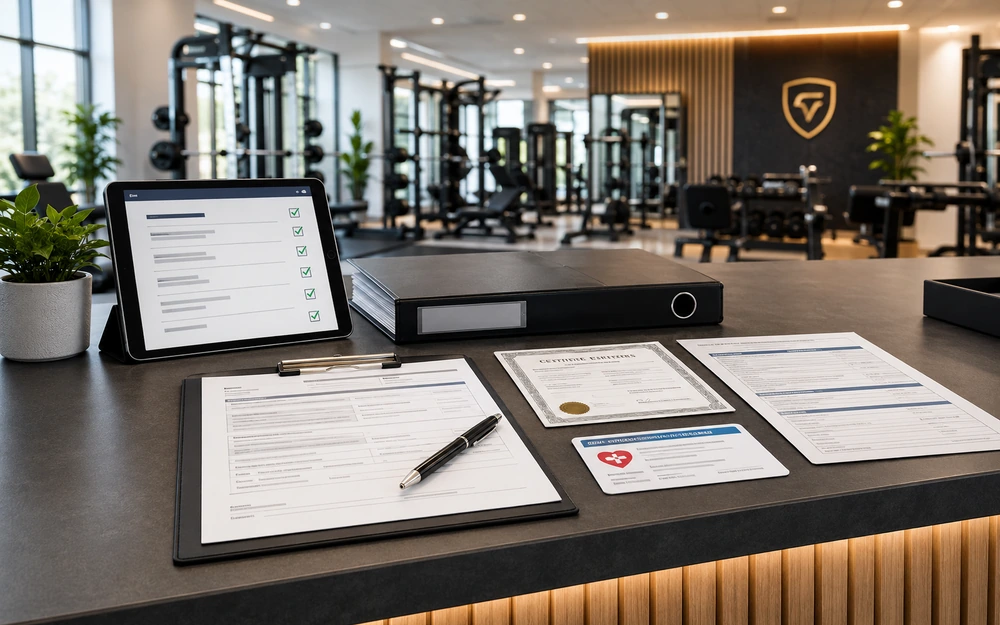
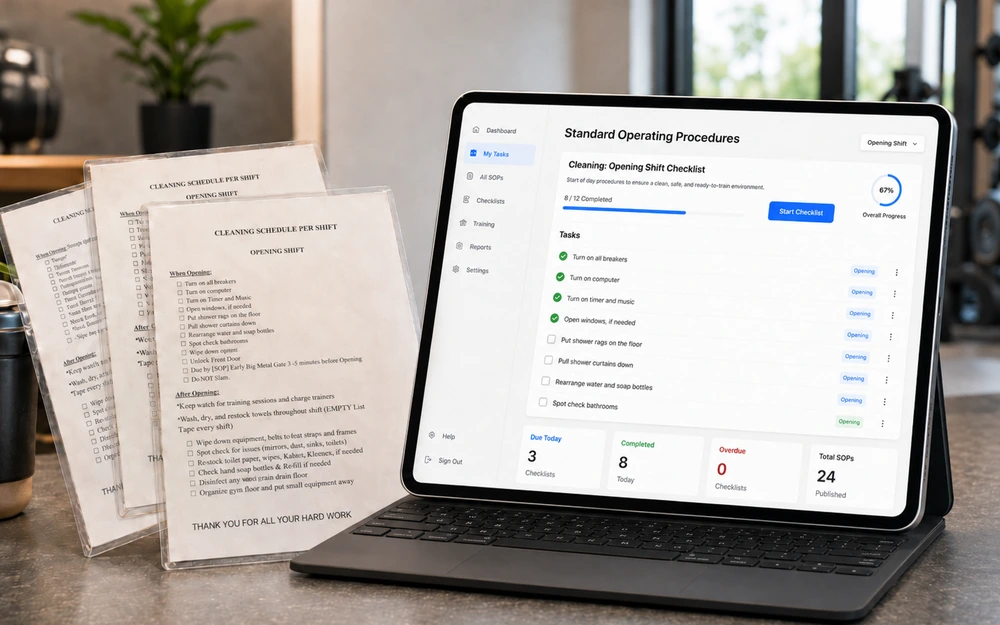
Gym OperationalCost Optimization.
A gym operational cost optimization project that reviewed recurring vendor, supply, telecom, advertising, and software expenses to reduce unnecessary spending, improve cost control, and maintain essential service standards.
Reducing recurring operating costs through a coordinated review of vendors, subscriptions, and essential services.
This was not a single cost-cutting task, but a coordinated review of recurring expenses across several operating categories. Local advertising, restroom supplies, telecom, music services, software subscriptions, document tools, phone routing, and vendor obligations were evaluated by function, necessity, performance, and impact on the member experience.
The gym operational cost optimization focused on identifying outdated, duplicated, underused, or underperforming services and then renegotiating, replacing, consolidating, or eliminating them without lowering operational standards. Results were presented using percentage-based improvements rather than disclosing vendor names, exact dollar amounts, or sensitive internal financial information.
Recurring costs had grown across multiple categories without a consistent process for reviewing value, necessity, and performance.
Over time, the gym accumulated vendor charges, subscriptions, service contracts, telecom expenses, local advertising costs, software tools, and member-facing services that were reviewed separately rather than as part of one operating cost structure. Some expenses remained necessary, while others had become outdated, duplicated, underused, or difficult to justify.
The challenge was not simply to reduce spending. The business still needed reliable facility supplies, local visibility, internet and phone service, music, administrative tools, and a strong member experience. Each expense had to be evaluated carefully so unnecessary costs could be reduced without weakening daily operations.
Vendor and subscription charges were spread across multiple categories, making it difficult to identify which services were essential, duplicated, outdated, or underperforming.
Several recurring services had continued by habit even when their cost, quality, usage, or business value needed to be reassessed.
Expense reductions could not come at the cost of cleanliness, communication, facility supplies, music quality, or other essential parts of the member experience.
Recurring vendors needed to be reviewed by function, performance, necessity, and long-term value instead of being treated as automatic monthly expenses.
Recurring costs were mapped, reviewed, and optimized by category while protecting essential service quality.
The work focused on understanding what each recurring expense supported, whether the service remained necessary, how well it performed, and whether it could be renegotiated, replaced, consolidated, or eliminated without weakening daily operations or the member experience.
Expense categories mapped
Recurring charges were organized by function, including local advertising, restroom supplies, telecom, music services, software tools, document workflows, phone routing, and vendor obligations.
Vendor services evaluated
Vendor relationships were reviewed by cost, service quality, operational necessity, performance, and long-term value instead of being treated as automatic monthly expenses.
Low-value costs eliminated
Underused subscriptions, outdated tools, duplicated services, and poorly performing recurring expenses were canceled, replaced, consolidated, or moved to more efficient alternatives where appropriate.
Service quality protected
Cost reductions were implemented carefully so the gym could maintain required supplies, local visibility, communication systems, administrative workflows, and member-facing service standards.
A visual summary of recurring cost optimization across key operating categories.
The gallery uses category-level infographics rather than vendor names, invoices, exact dollar amounts, or sensitive internal financial data. The visuals show how selected recurring expenses were reviewed, reduced, replaced, consolidated, or brought under stronger control while essential service quality was maintained.
-
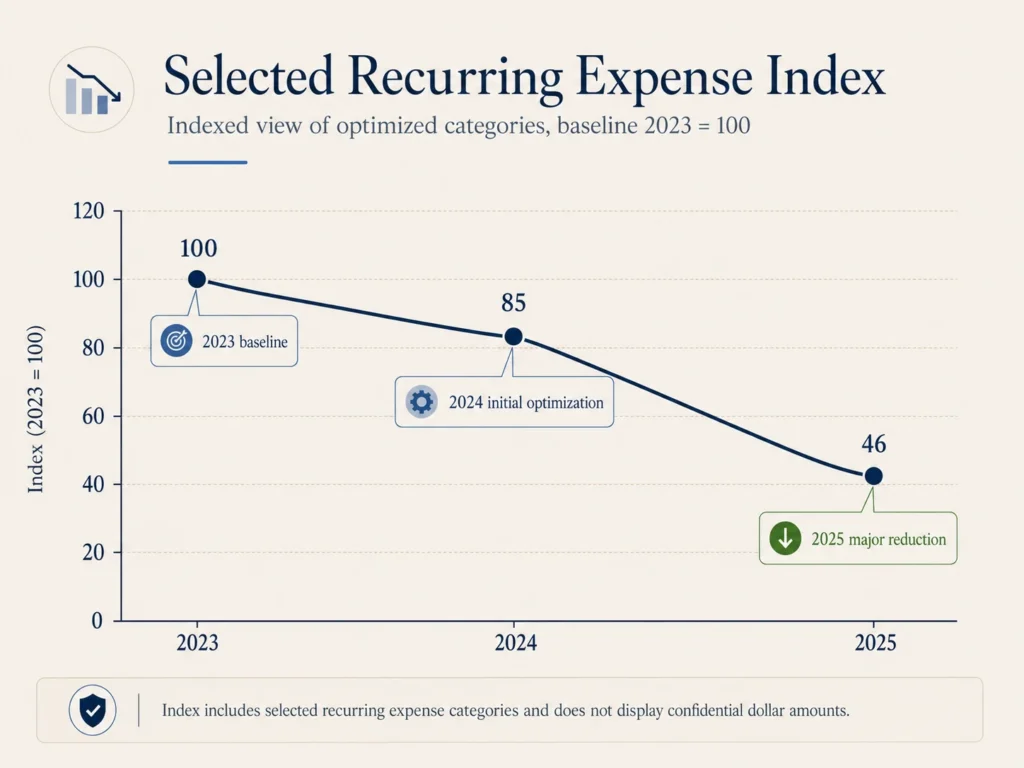
- Recurring expense index showing a reduction from the 2023 baseline after operational cost optimization.
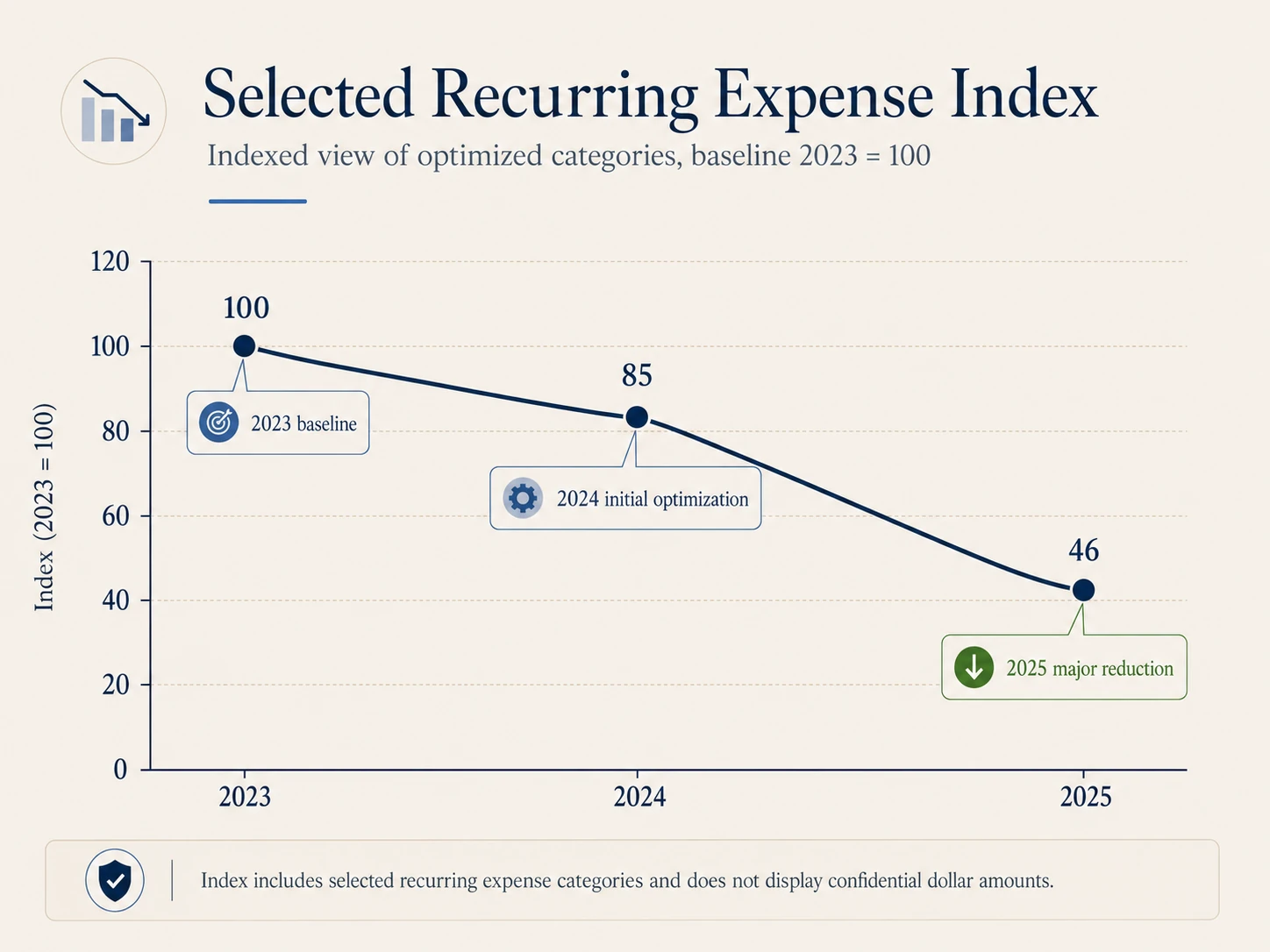
-
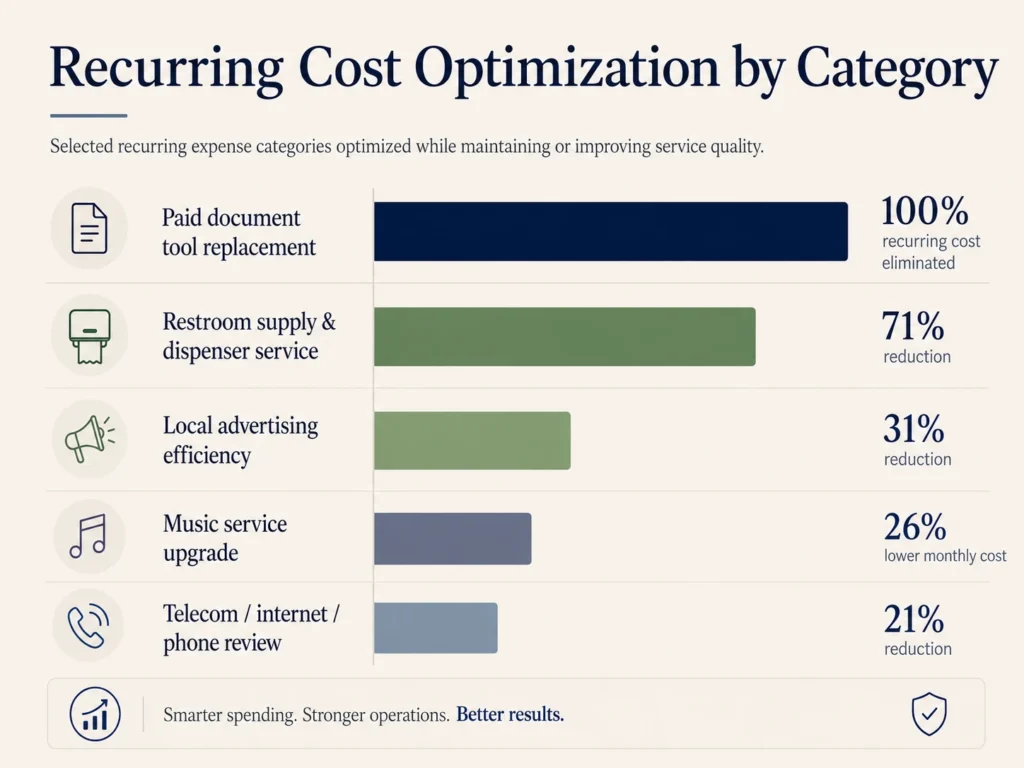
- Category-level view of selected recurring cost reductions achieved through operational review and optimization.

-
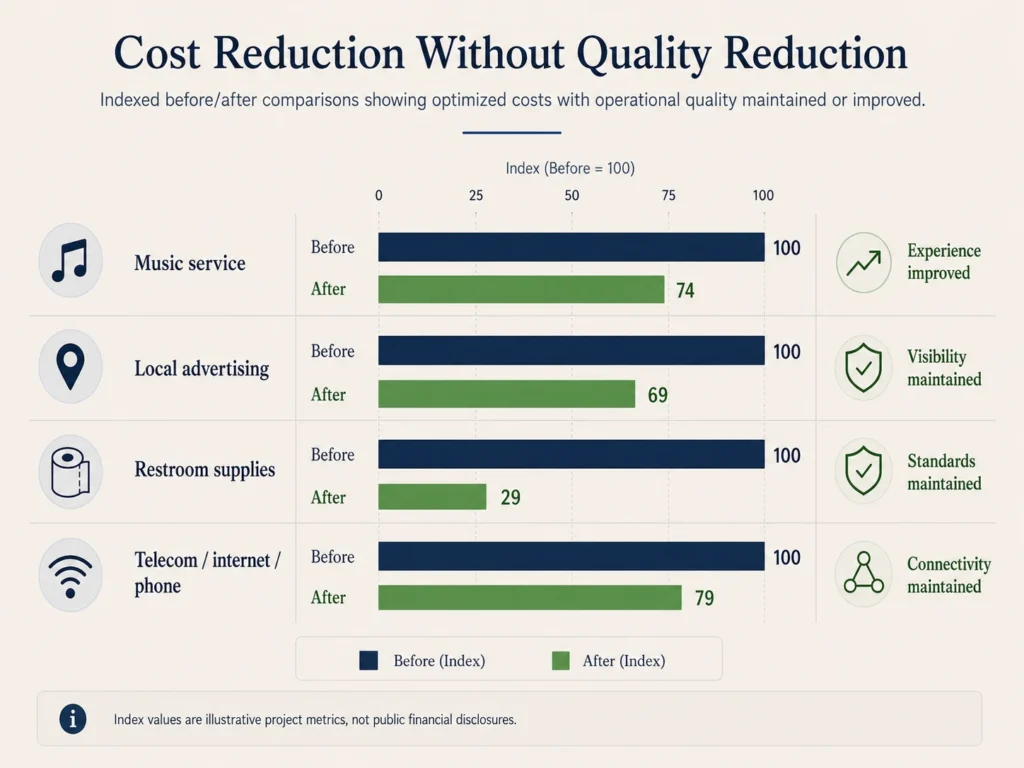
- Before-and-after comparison showing reduced operating costs while maintaining or improving service quality.
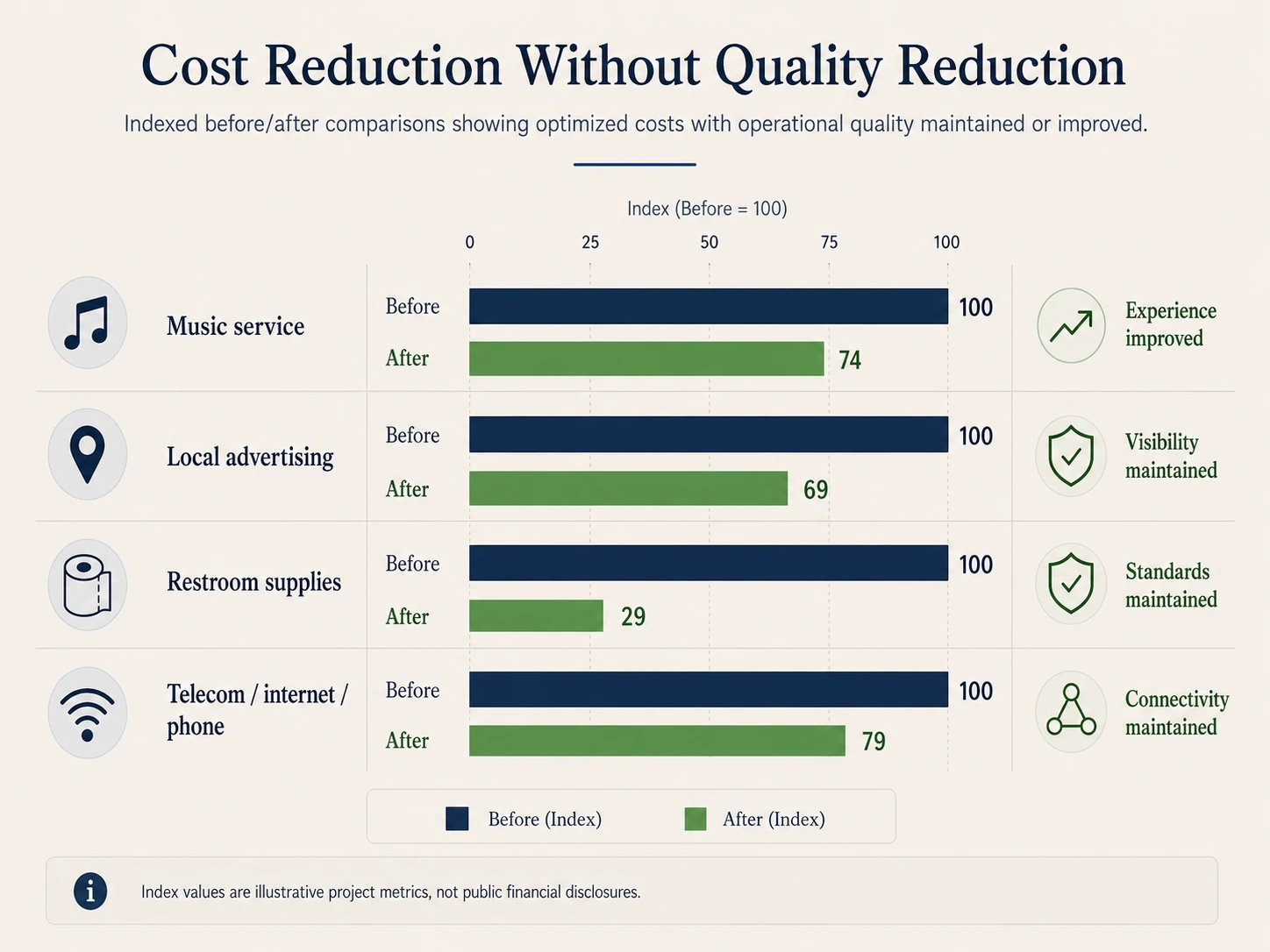
The gym reduced selected recurring costs while improving expense visibility, vendor accountability, and ongoing cost control.
The project created a clearer recurring-expense structure across multiple operating categories. Spending was reduced where services were duplicated, underused, inefficient, or underperforming, while essential facility operations and member-facing standards were maintained.
Lower recurring costs
Category-by-category reviews reduced selected expenses across local advertising, restroom supplies, telecom, music services, software subscriptions, and administrative tools.
Stronger vendor accountability
Recurring vendors were evaluated by cost, service quality, operational necessity, performance, and long-term value instead of being treated as automatic monthly expenses.
Service quality maintained
Unnecessary spending was reduced without lowering member-facing standards, and selected services were improved while monthly costs were brought under better control.
Are recurring vendor and subscription costs quietly reducing your gym’s profitability?
A structured gym operational cost optimization process can help you map recurring expenses, evaluate vendor performance, eliminate low-value services, replace inefficient tools, and strengthen cost control without weakening daily operations or member-facing standards.
No pressure — the first conversation is simply to understand the current recurring expenses, vendor concerns, and cost-control priorities and determine whether a focused operational cost review would be a practical next step.